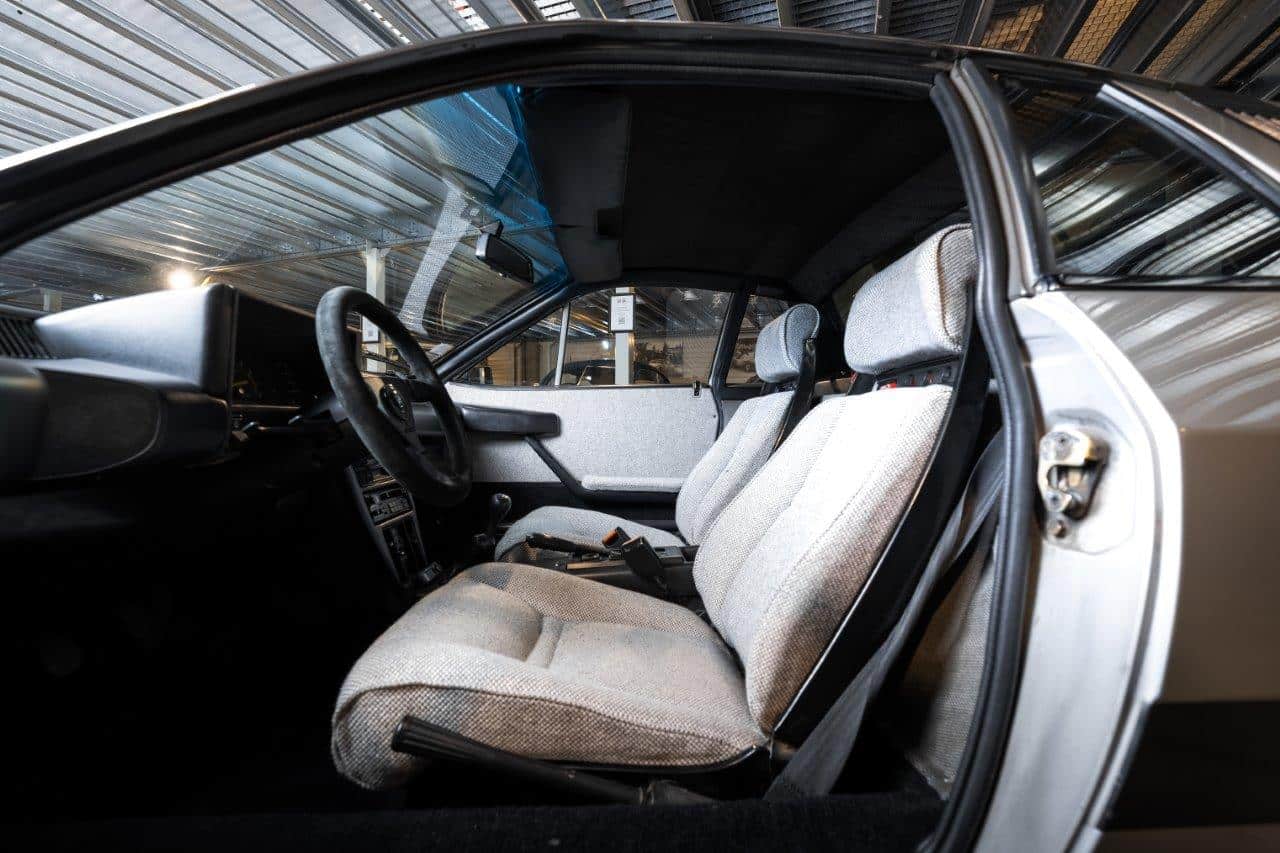
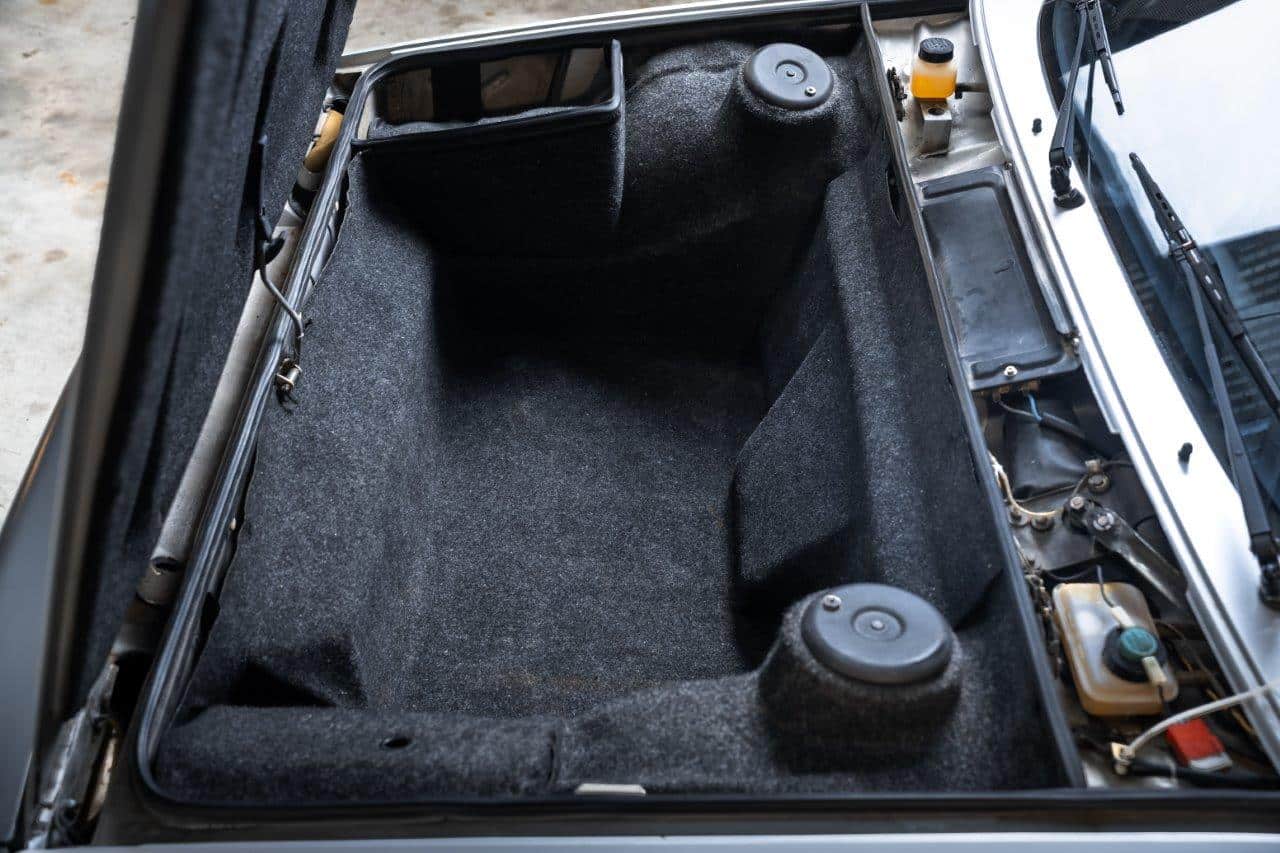
Lancia Beta Montecarlo
| Brand | Lancia |
| Model | Montecarlo |
| Color | Metal grey |
| Transmission | Manual 5-speed |
| Pk | 120 ch |
| Mileage | 35.683 km |
| Year | 1982 |
| Price | 25.900€ |
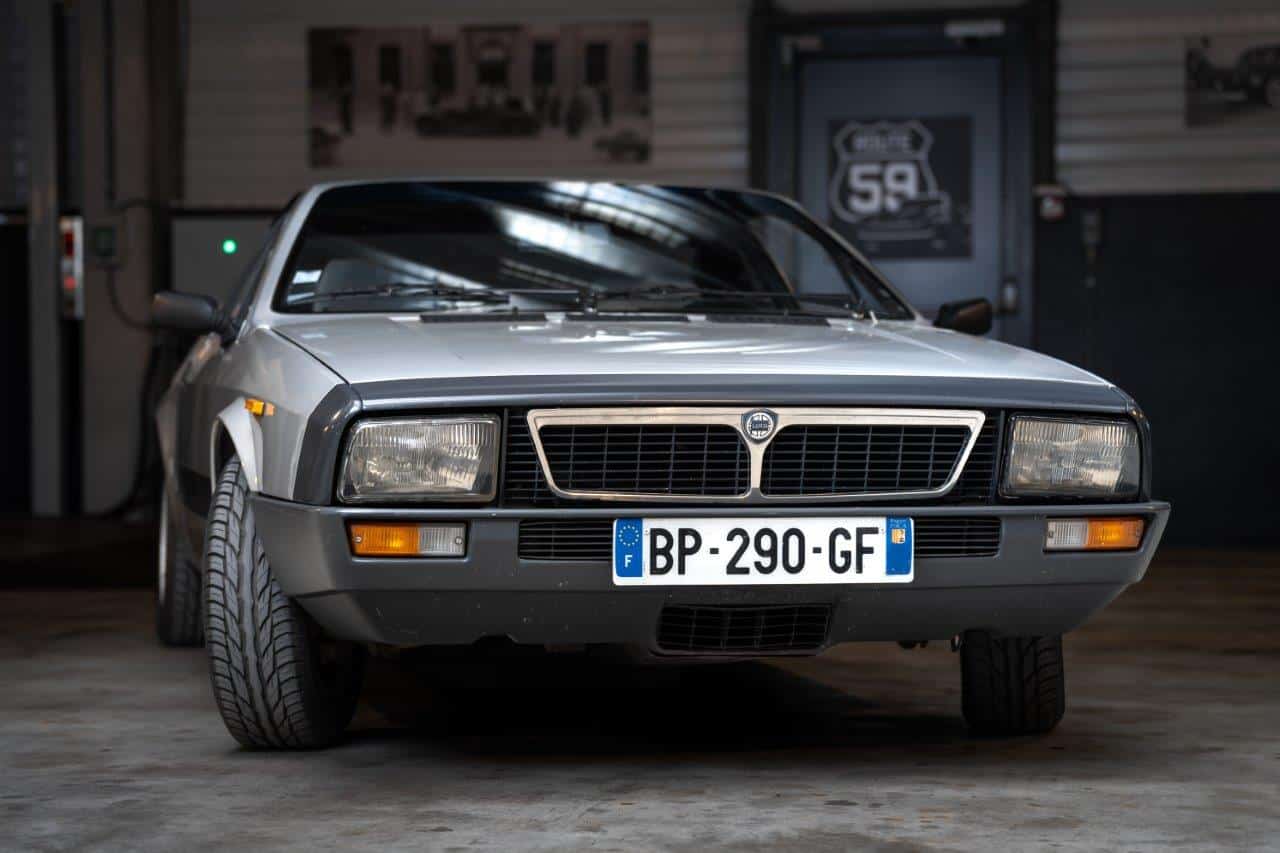
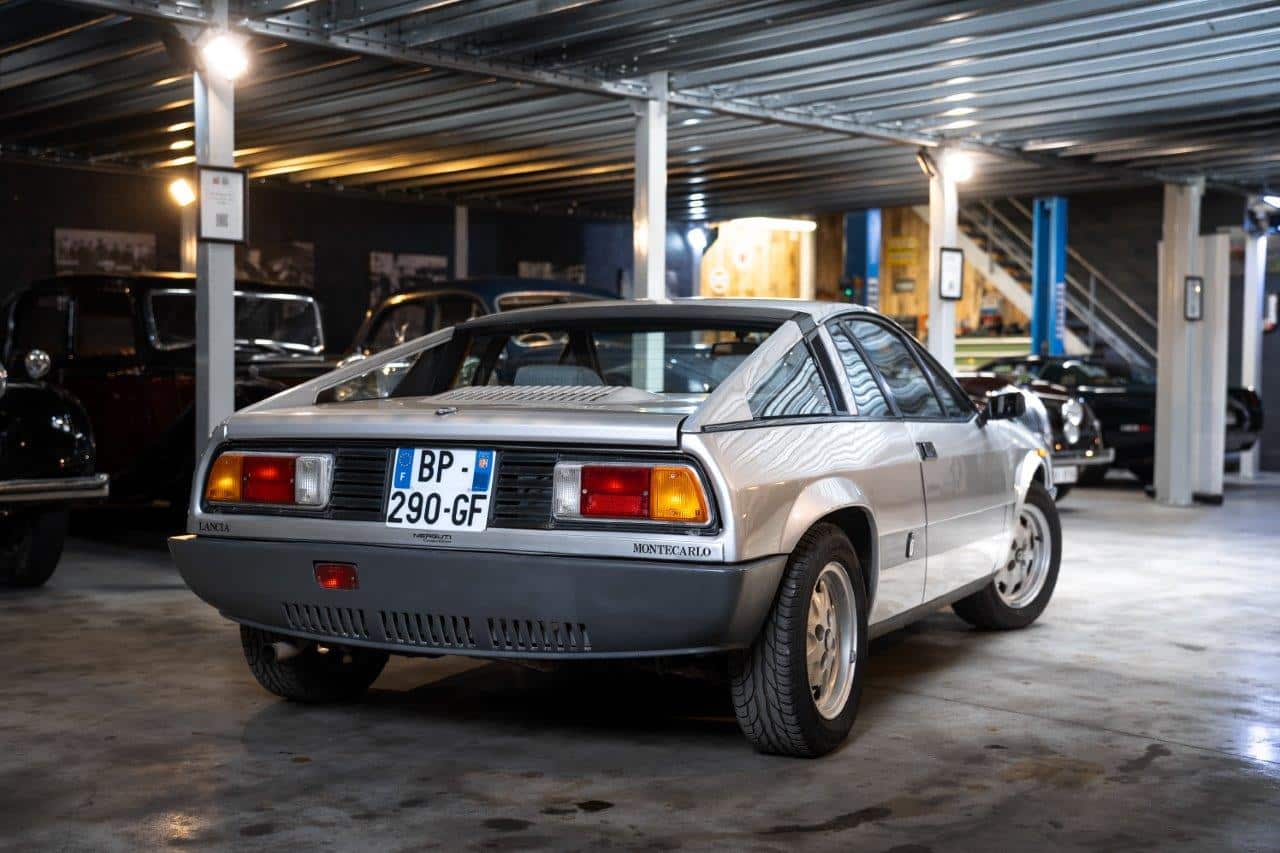
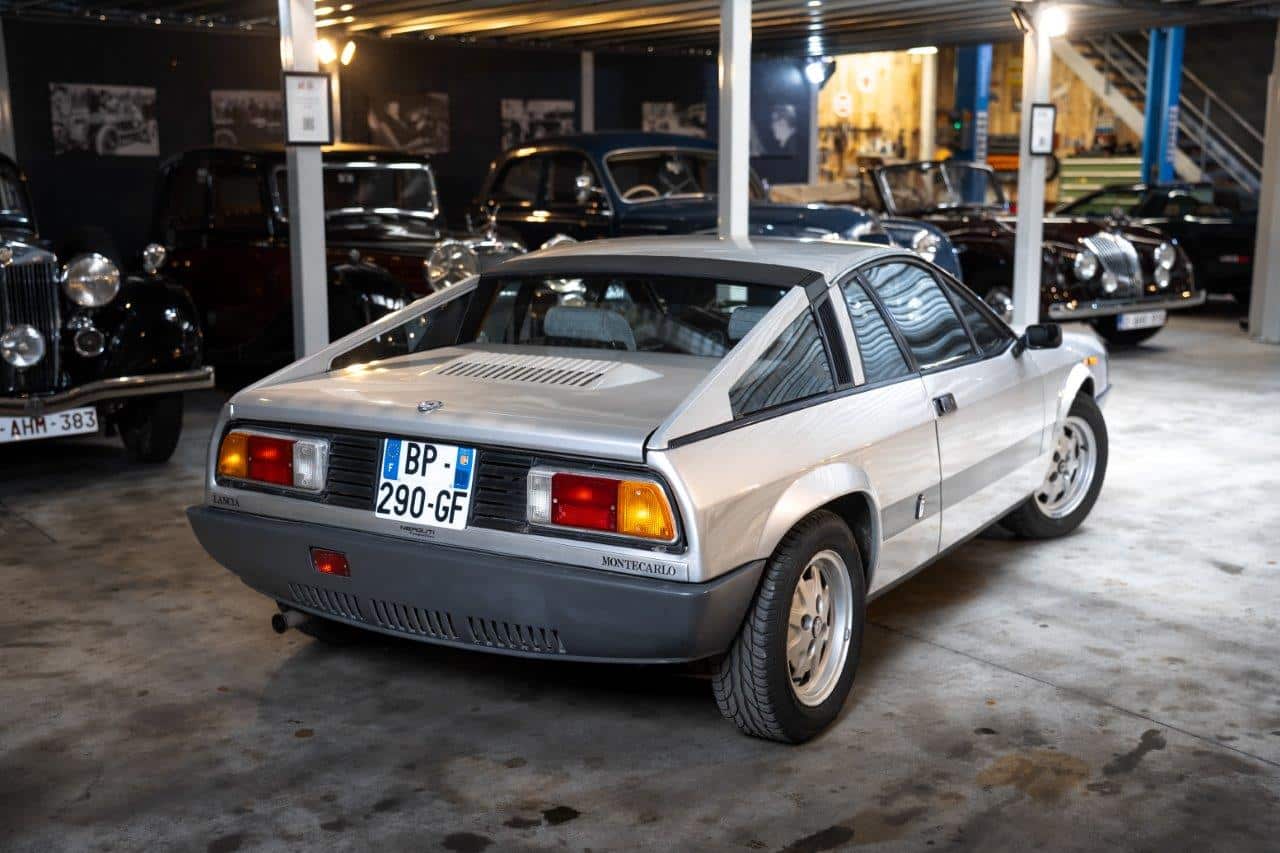
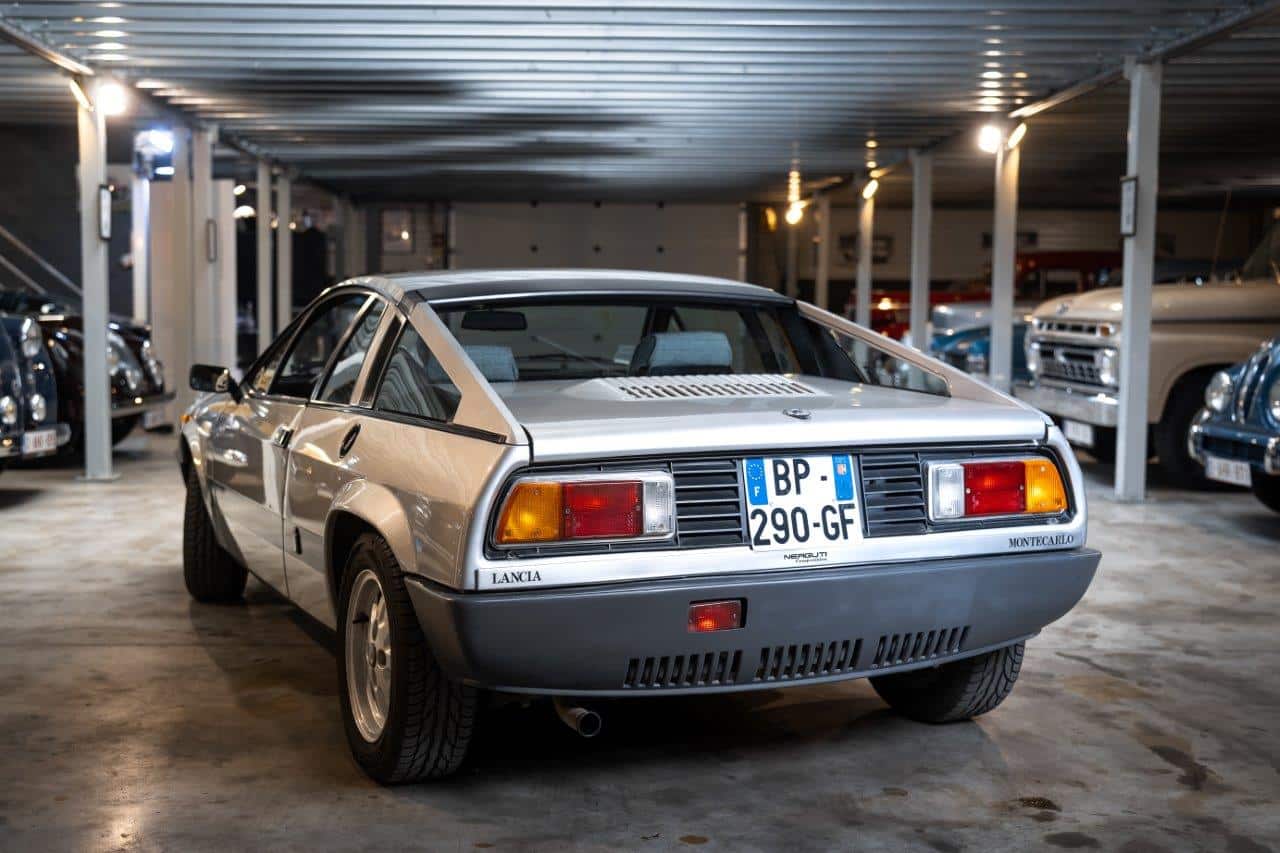
The Lancia Beta Montecarlo appeared in the mid-1970s as a very special model in the Lancia range. Although it bore the name “Beta”, it had little in common with the other models in the family. Whereas the Beta sedans, coupes and HPEs were front-engine tractions, the Montecarlo adopted a much sportier architecture: a rear mid-engine and rear-wheel drive. The project was born in the early 1970s at Pininfarina under the code name Fiat X1/8, and was initially envisaged as a replacement for the Fiat 124 Coupé. After the 1973 oil crisis, the idea of a V6 was abandoned and the project evolved into the X1/20, equipped with a two-liter twin-cylinder four derived from the famous Lampredi engine. Finally, Fiat decided to entrust the marketing of the model to Lancia, in order to offer a more exclusive sports car than the Fiat X1/9.
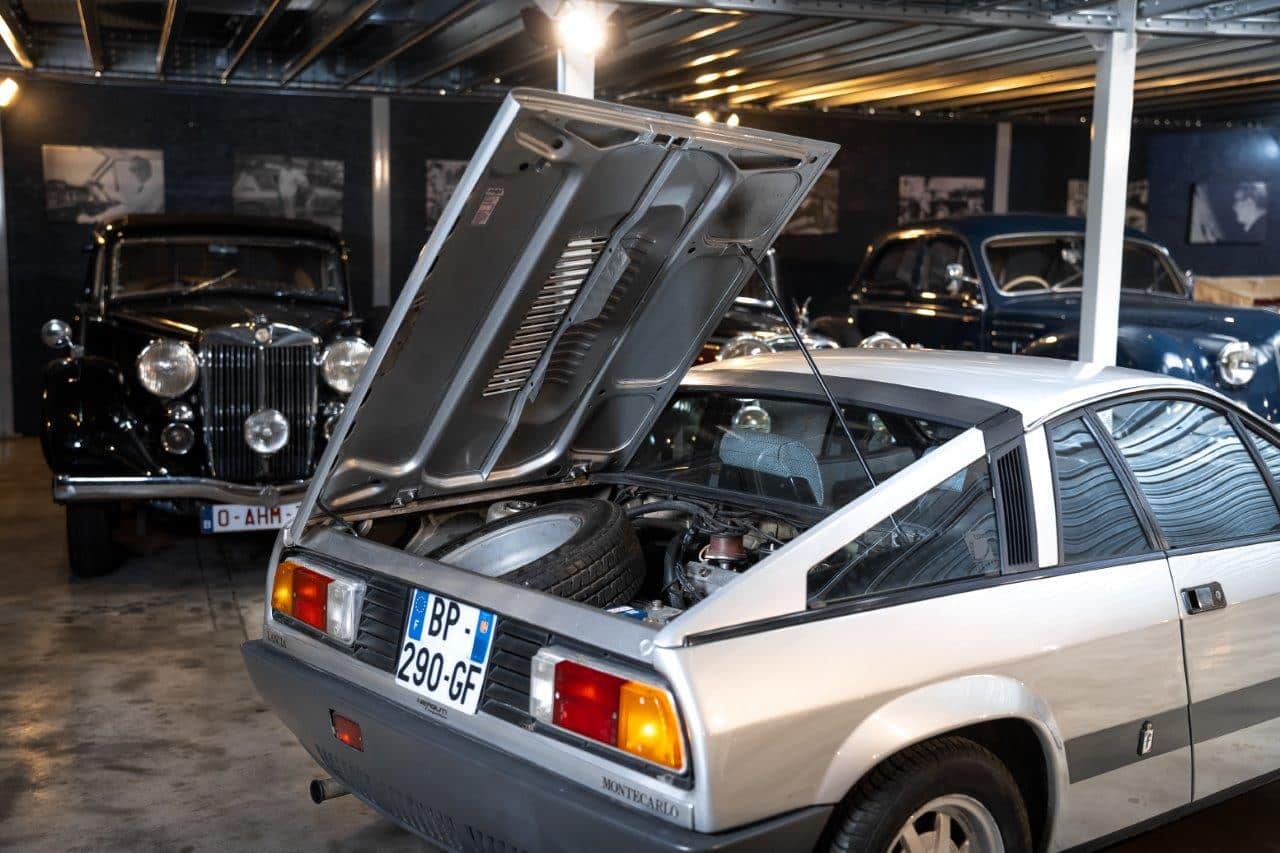
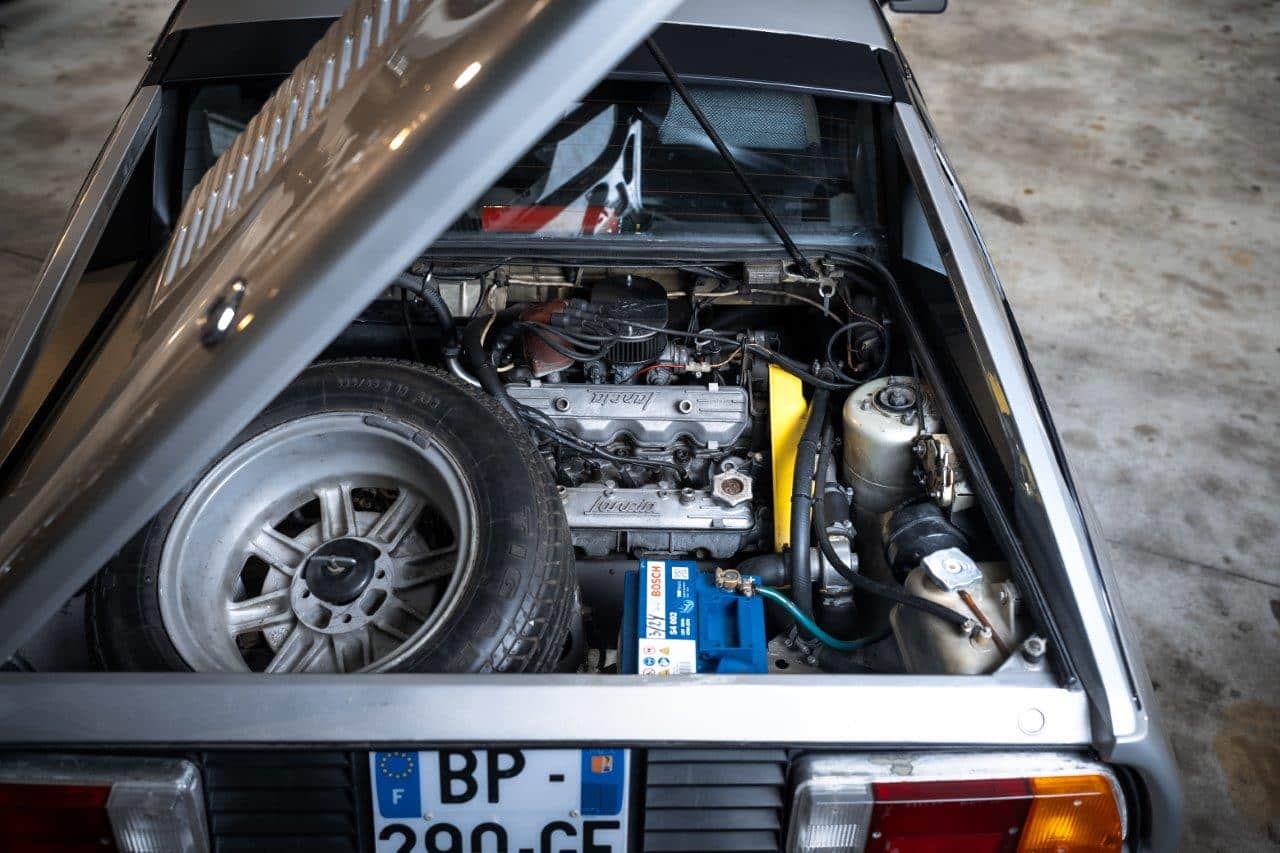
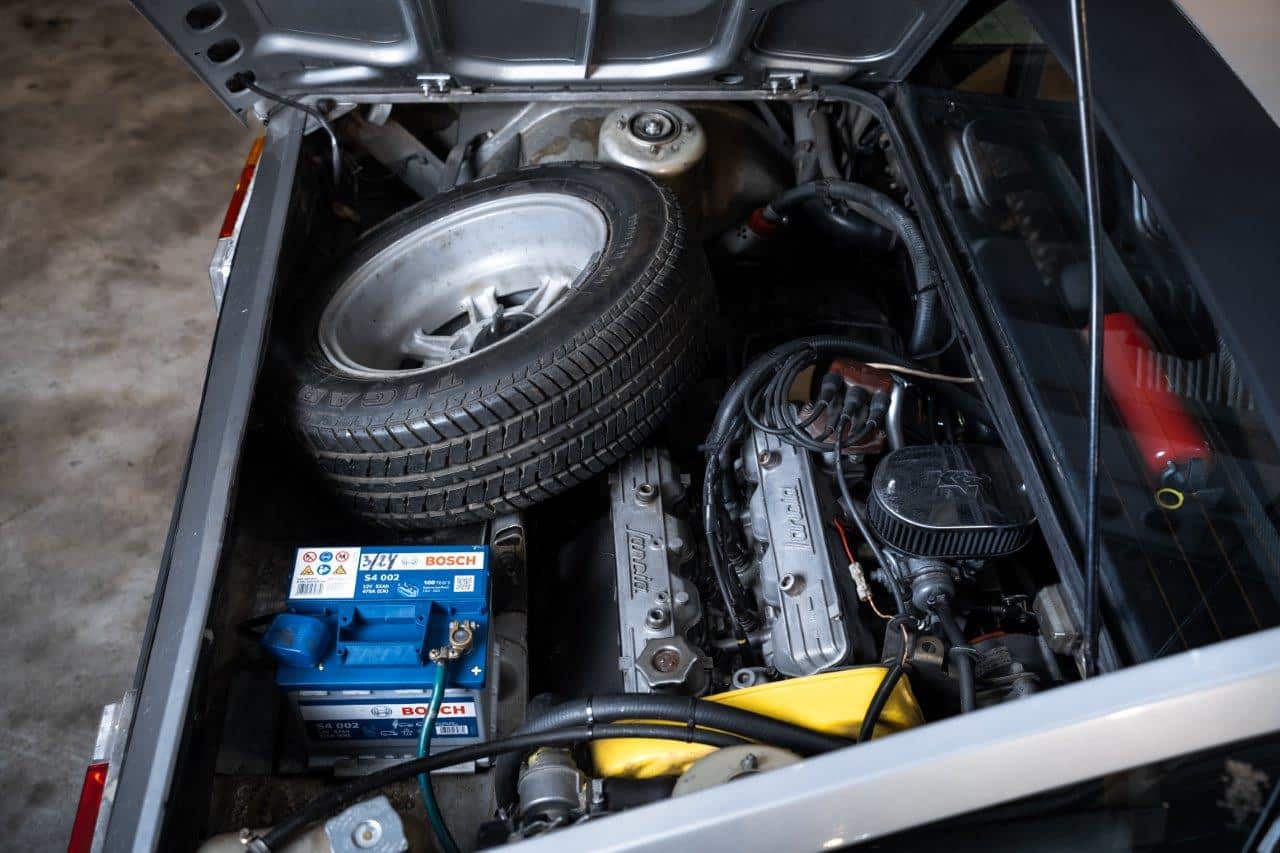
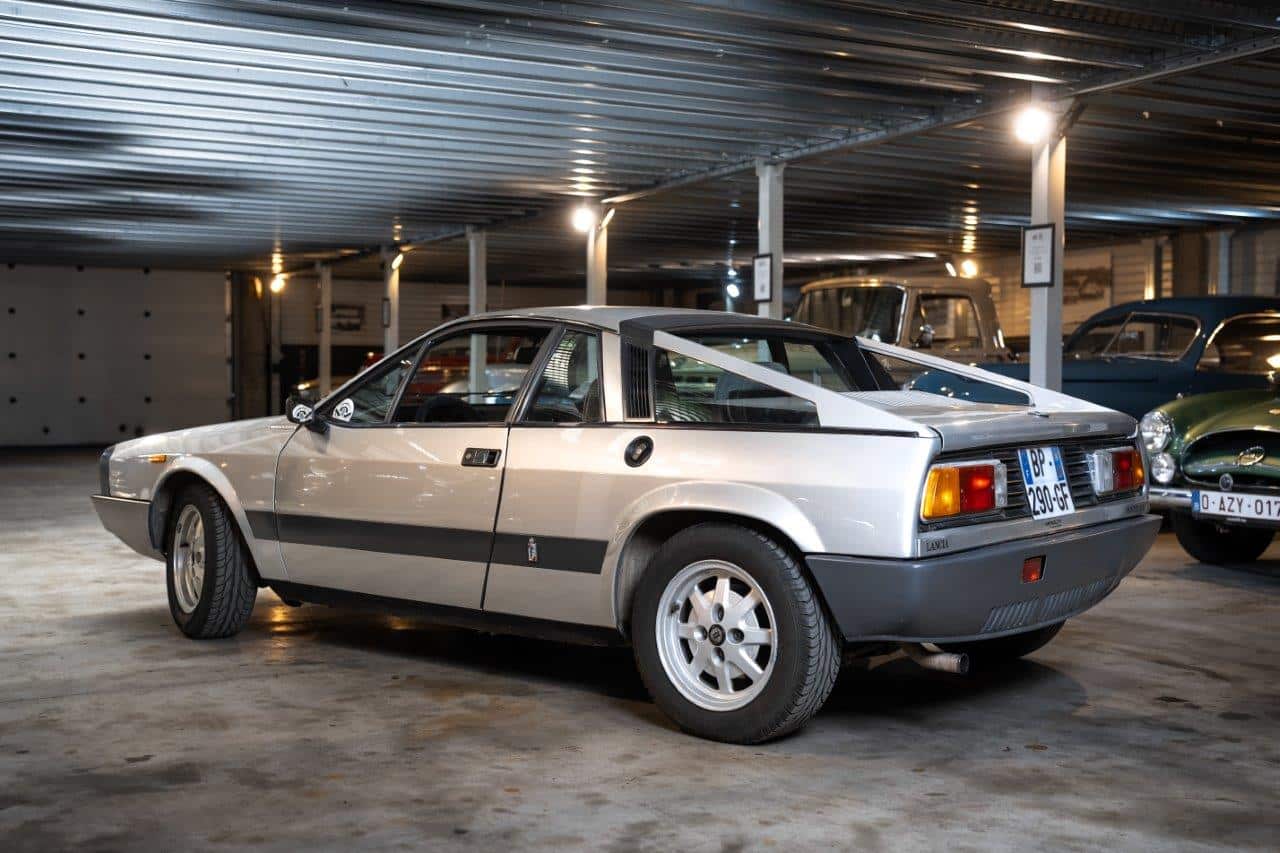
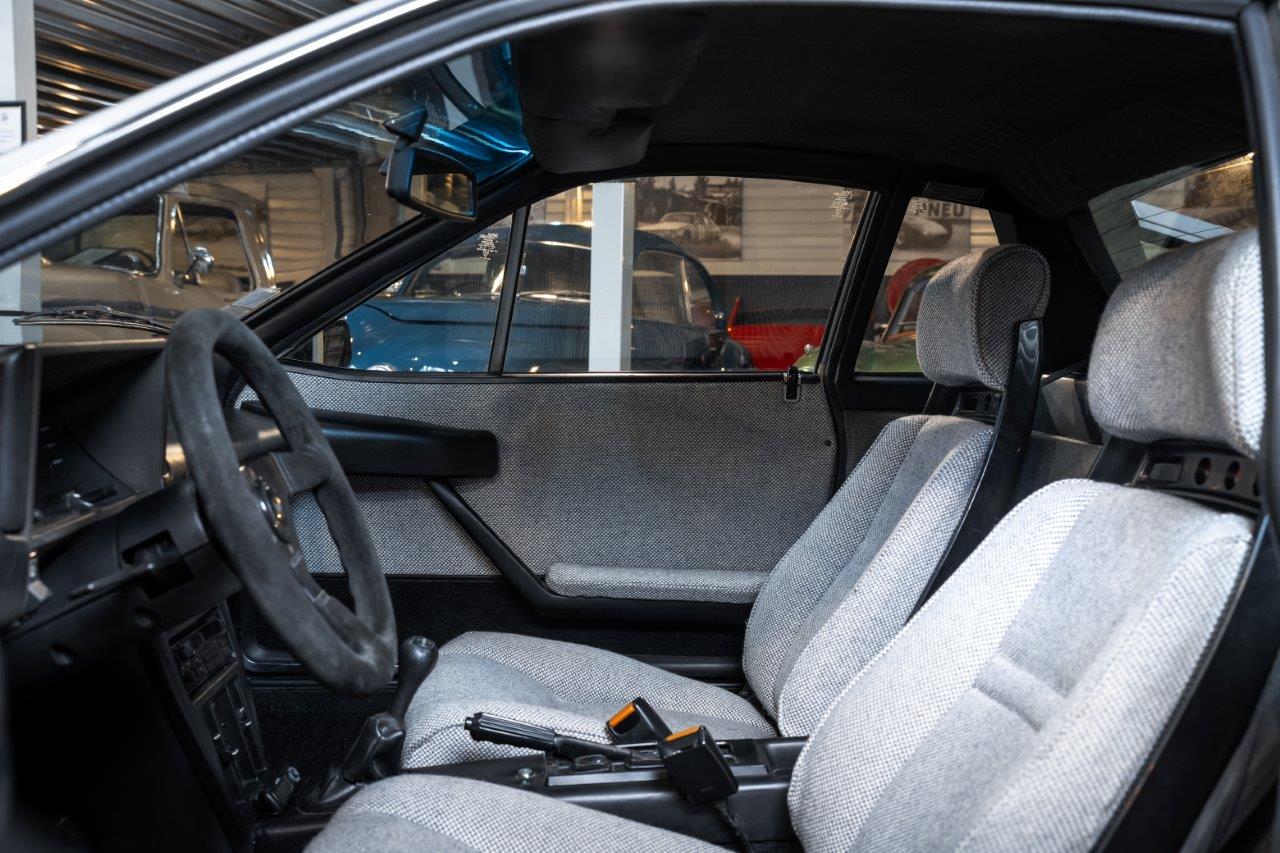
Presented at the 1975 Geneva Motor Show, the Lancia Beta Montecarlo immediately attracted attention with its taut, pure lines, designed by Paolo Martin at Pininfarina. Compact and low-slung, it follows the codes of the mid-engined sedans of the time, with two seats, a short wheelbase and McPherson-type independent suspension. Under the rear hood sits the Lampredi 1995 cm³ twin-cylinder, Weber carburetor-fueled four-cylinder, developing around 120 hp. Combined with a five-speed manual gearbox and a weight of less than a ton, this engine enables the Montecarlo to reach speeds of up to 190 km/h, while offering very well-balanced handling, often praised by the specialist press.
The first series was produced from 1975 to 1978, in coupé and spider versions with targa roof. After an interruption to correct a braking problem, the car returned to second series production in 1980, now simply called Lancia Montecarlo. This evolution featured a few styling touches, different rims, an improved braking system and a slightly modernized engine with electronic ignition. Total production remained limited, with less than 8,000 examples assembled by Pininfarina in Grugliasco, which today contributes to the model’s rarity.
The Montecarlo also played an important role in competition. Its mid-engine design was the basis for the Lancia Beta Montecarlo Turbo, which won the World Sports Car Championship in the 2-liter class in 1980 and 1981, and directly inspired the development of the famous Lancia Rally 037, the future World Rally Champion.
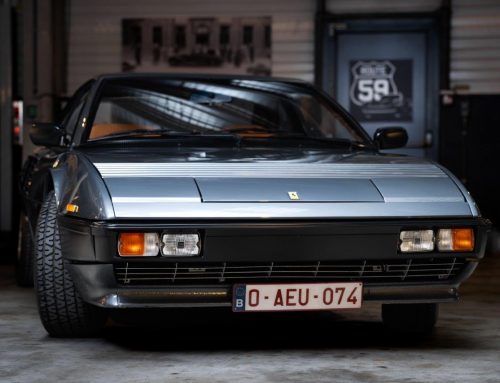
The example presented here is a 1982 2-liter version, corresponding to the last Montecarlo produced. It is equipped with a 1995 cm³ twin-cylinder four-cylinder engine developing around 120 hp, mounted in a central rear position and mated to a five-speed manual gearbox, an architecture that gives this small Italian coupé the dynamic balance and sporty character so typical of the European berlinettes of the early 1980s.
French registration.