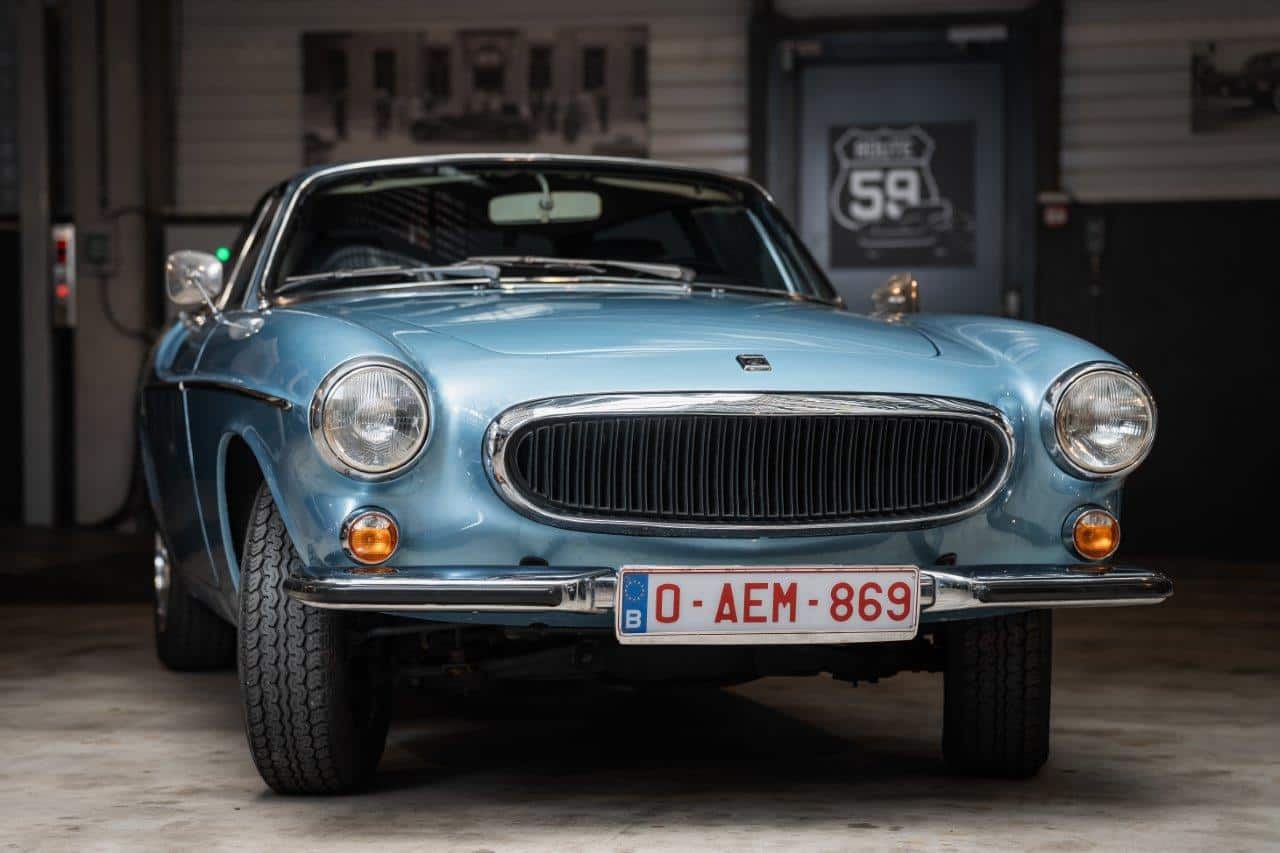
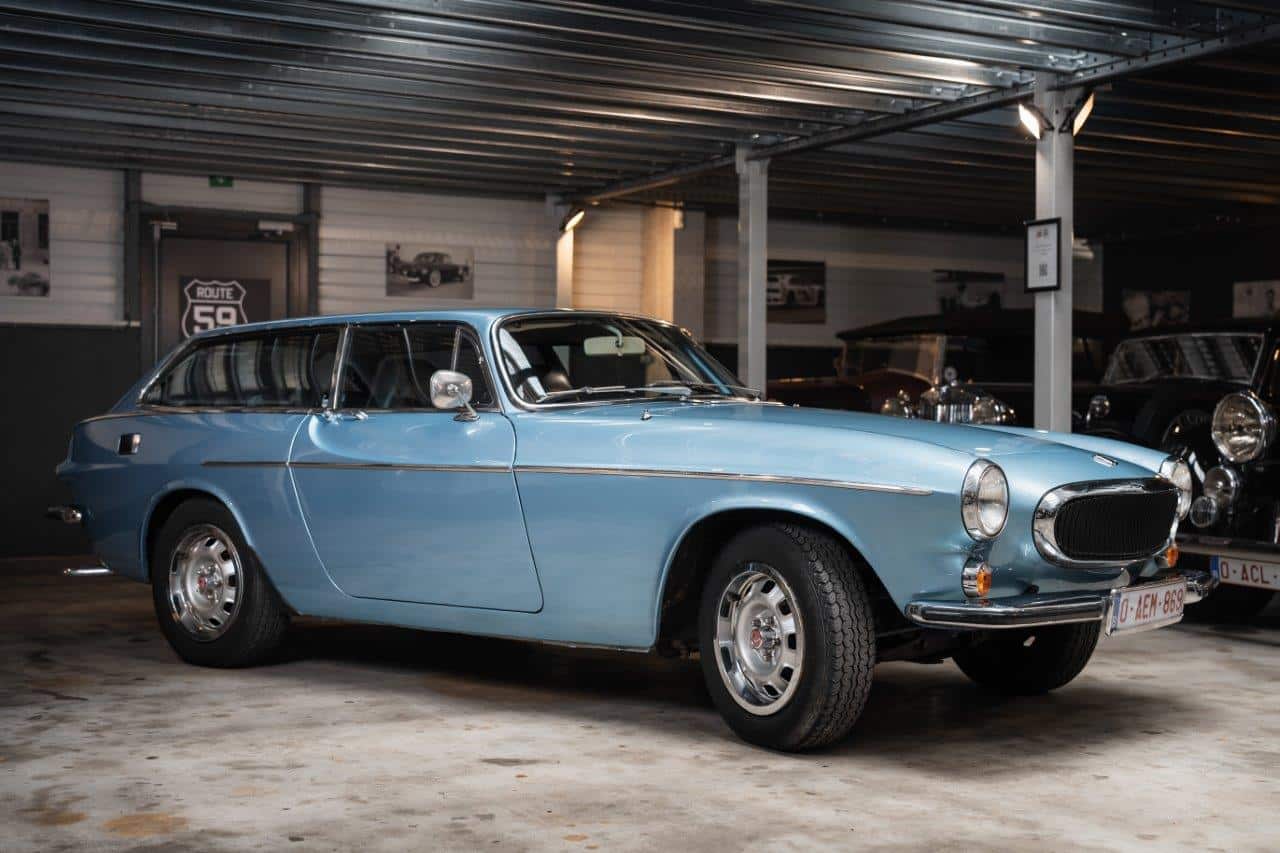
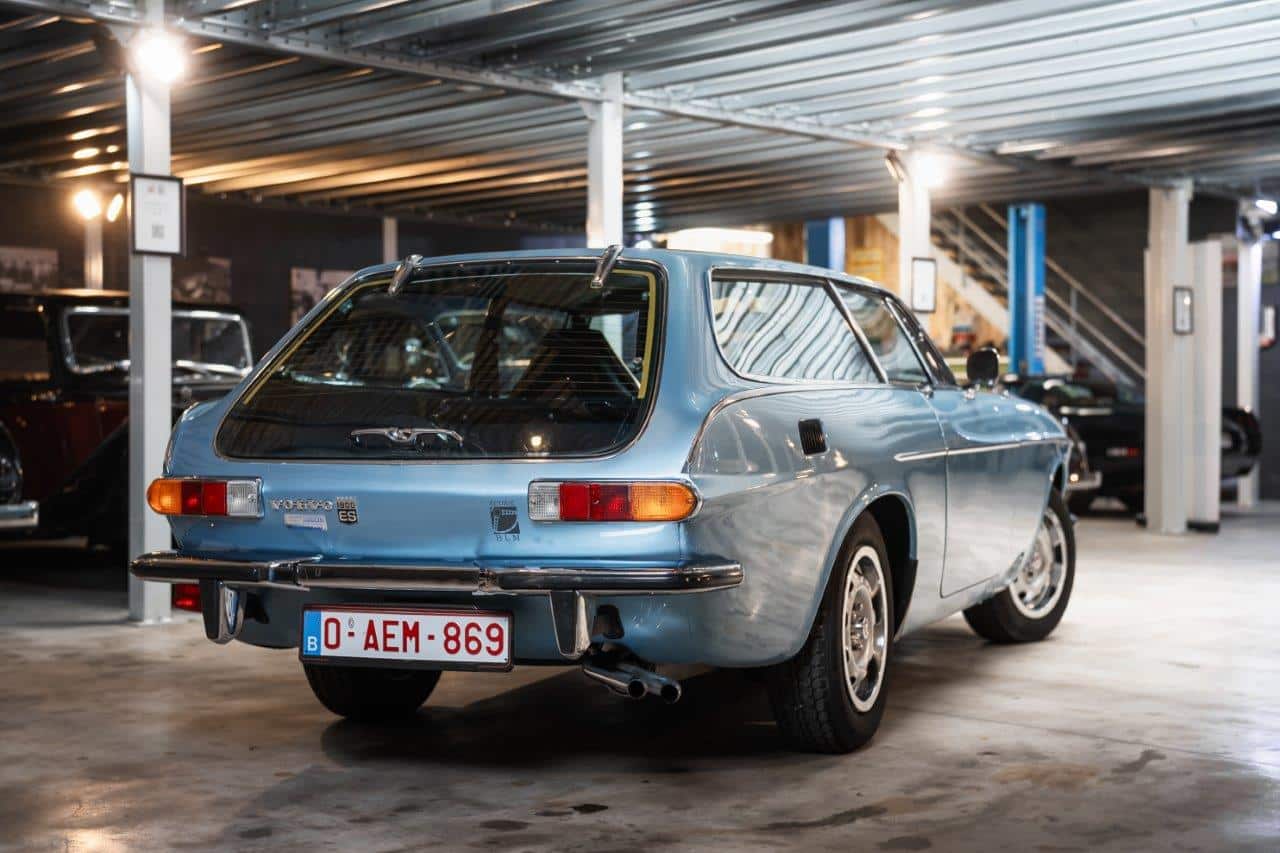
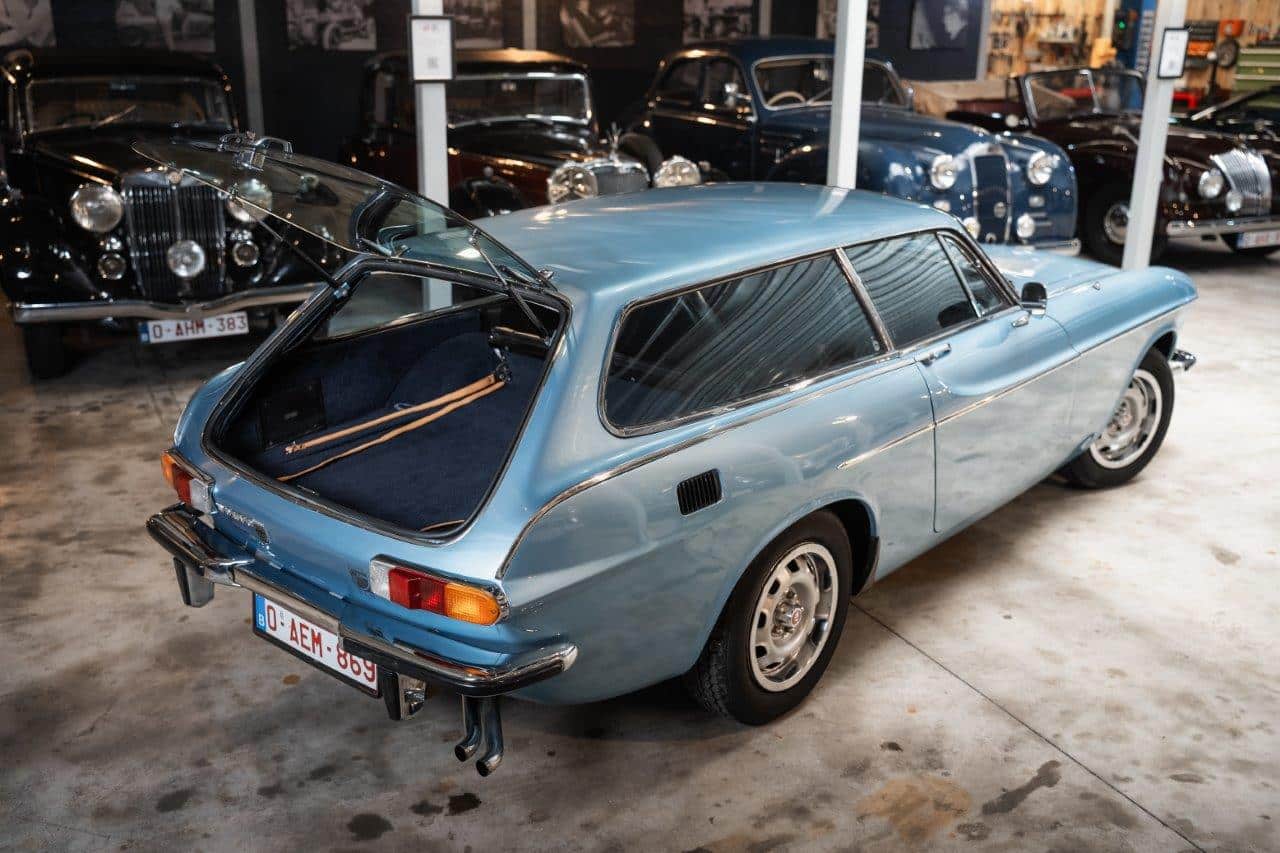
Volvo P1800 ES
| Brand | Volvo |
| Model | P1800 ES |
| Color | Metal Blue |
| Transmission | Manual 4 speed + overdrive |
| Pk | 124 ch |
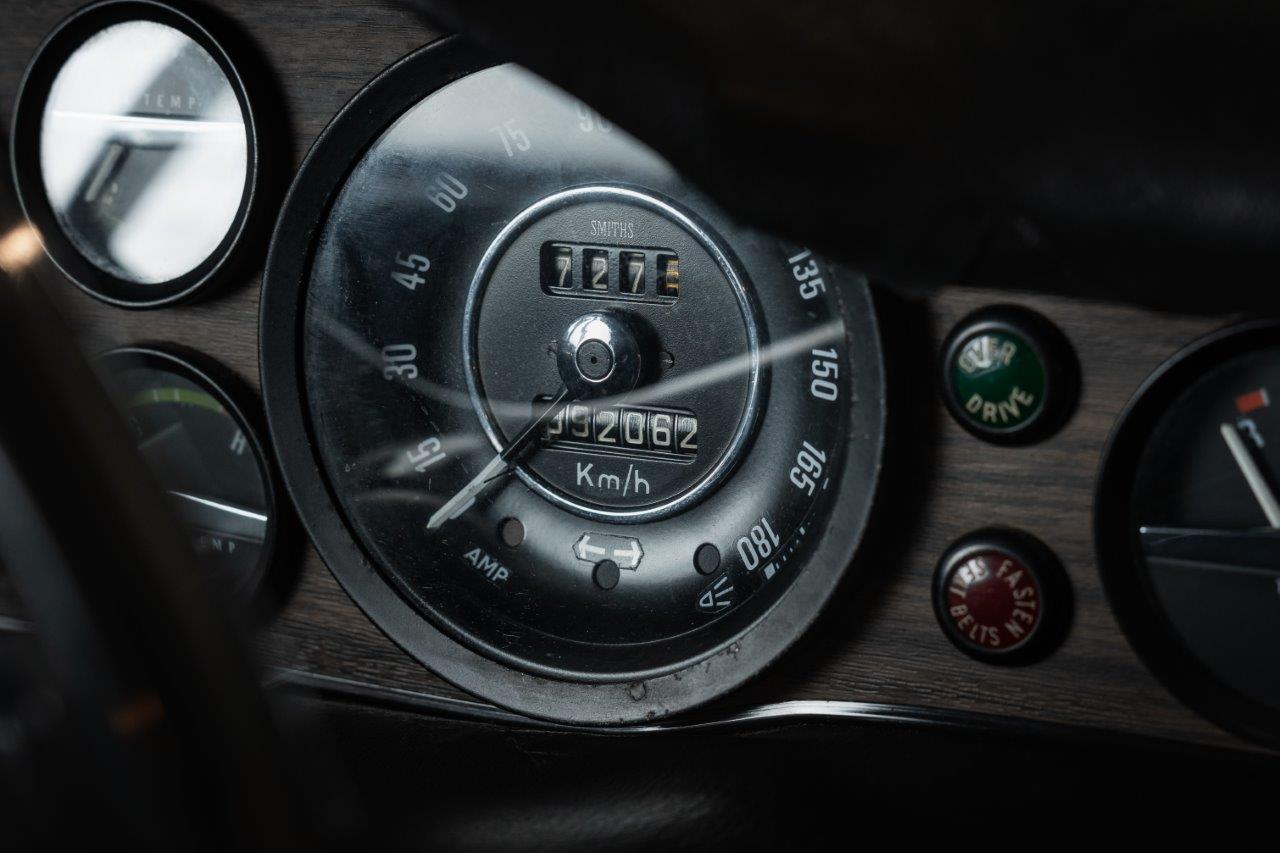
| Mileage | 92.062 km |
| Year | 1976 |
| Price | 28.500 € |
The Volvo P1800ES represents the ultimate evolution of the P1800 lineage, marking the technical and stylistic peak of this Swedish sporting coupé introduced in the early 1960s. First launched in 1961, the P1800 was an elegant 2+2 coupé designed by Pelle Petterson under the influence of Italian stylist Pietro Frua. Conceived more as a refined grand tourer than a pure sports car, it gained widespread recognition through the television series The Saint, in which Roger Moore made it his signature vehicle.
Over the course of the decade, the model evolved progressively. The Volvo four-cylinder engine, derived from that of the Amazon series, grew from 1.8 to 2.0 litres in 1968 with the introduction of the more robust and powerful B20 unit. In 1969, Volvo took a significant step forward by adopting Bosch D-Jetronic electronic fuel injection, replacing carburettors. This system—one of the first to be used in mass production—improved performance, flexibility and overall drivability, giving rise to the 1800E (“E” for Einspritzung, injection).
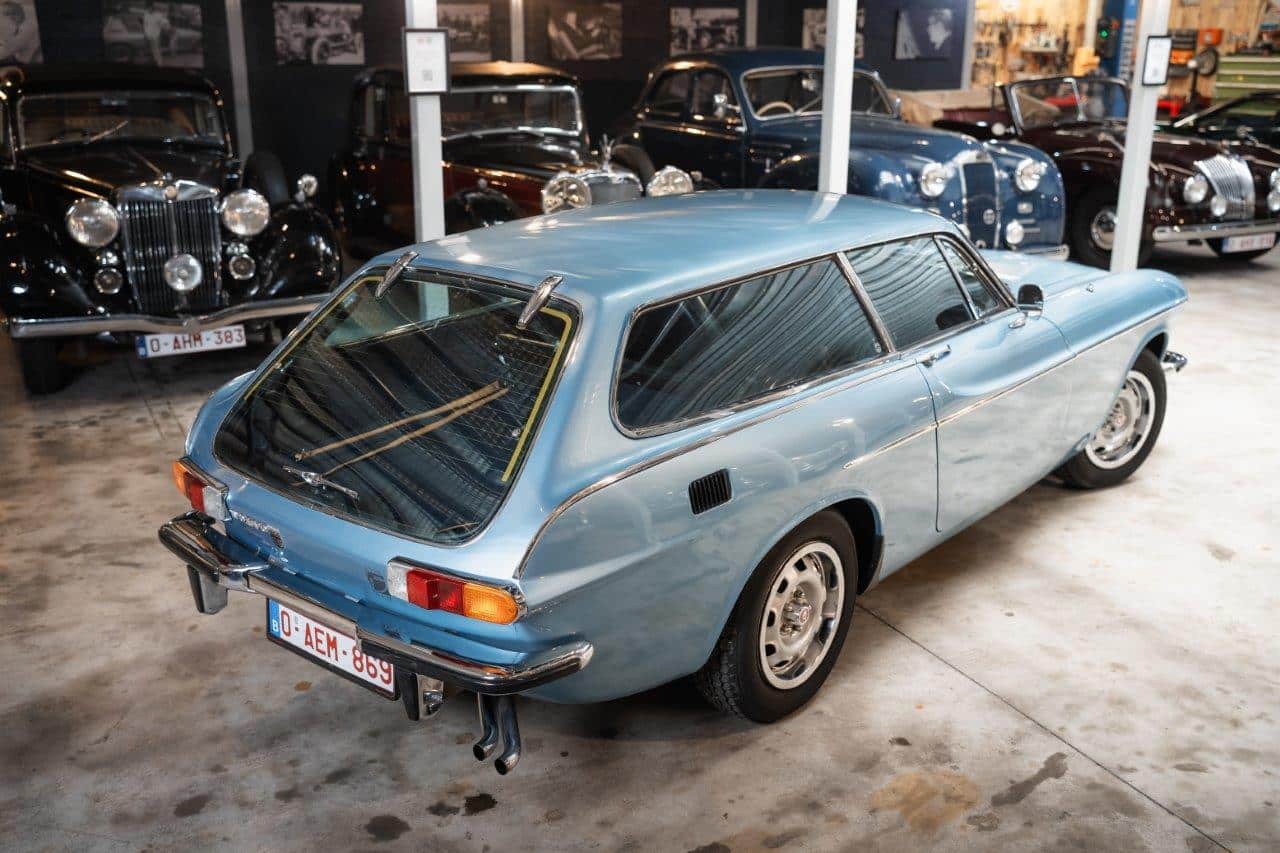
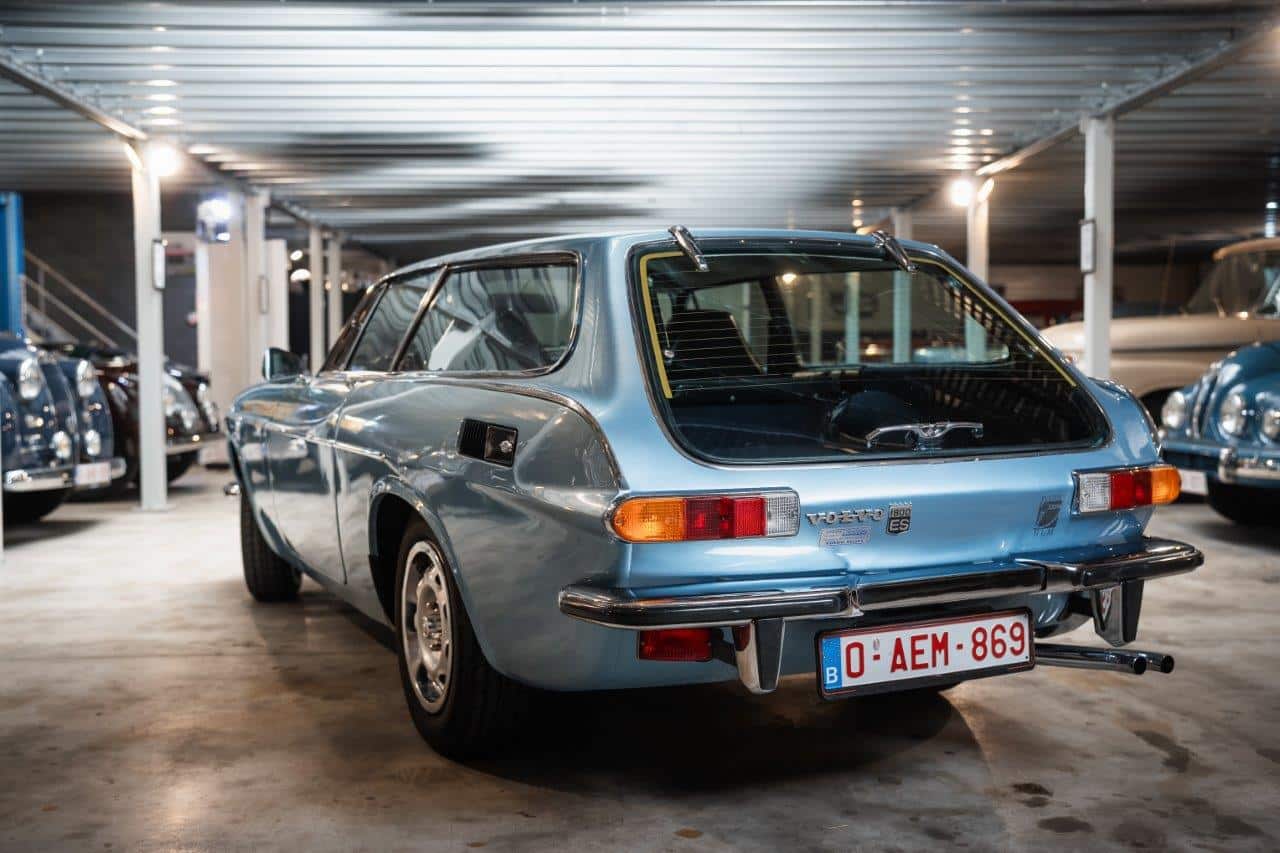
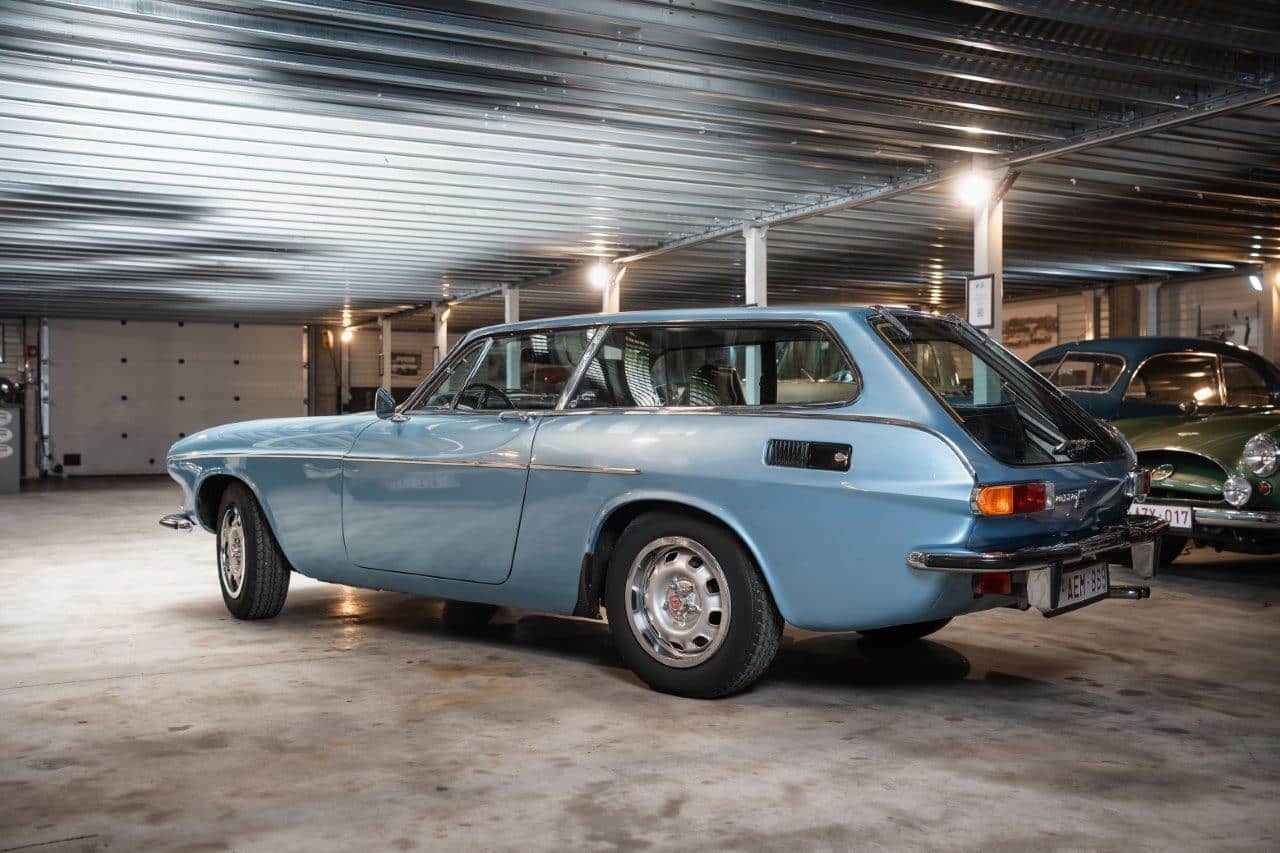
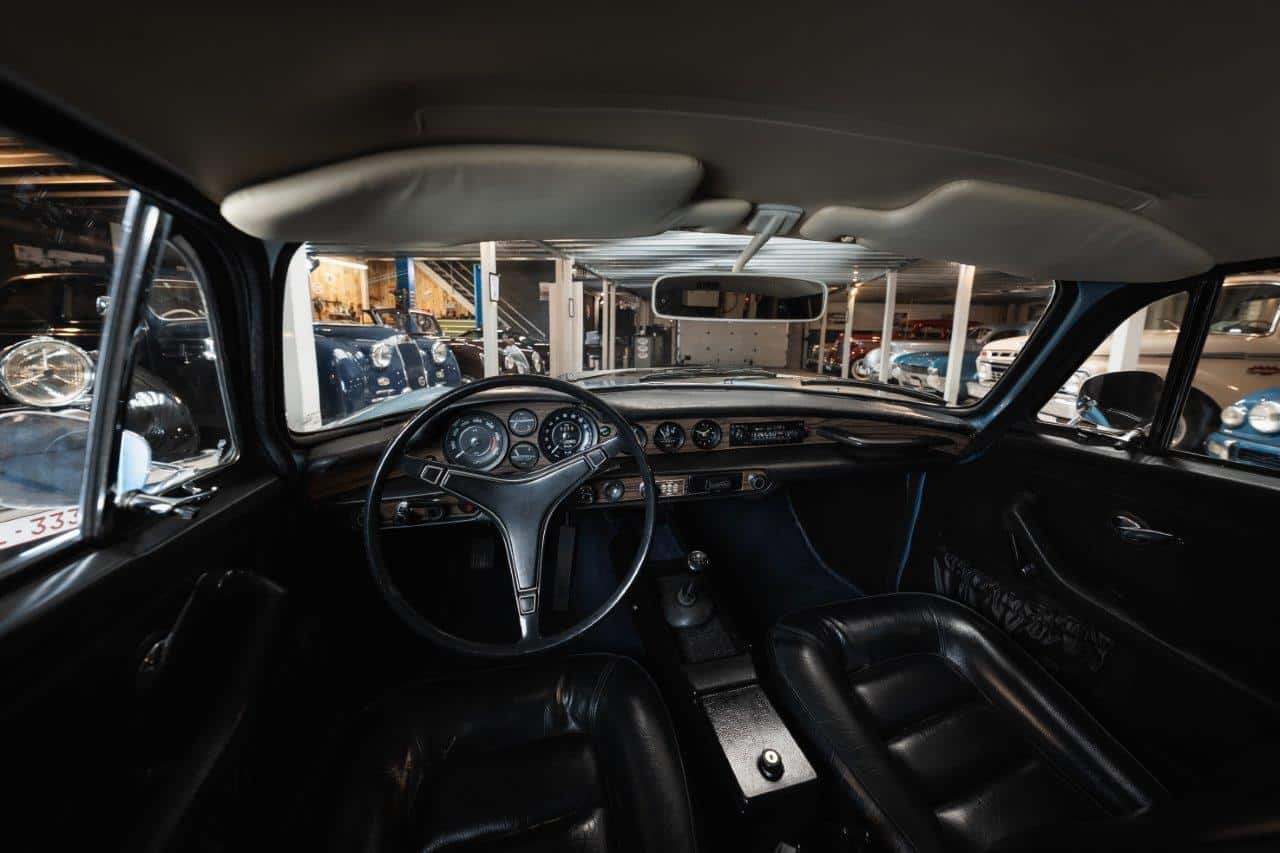
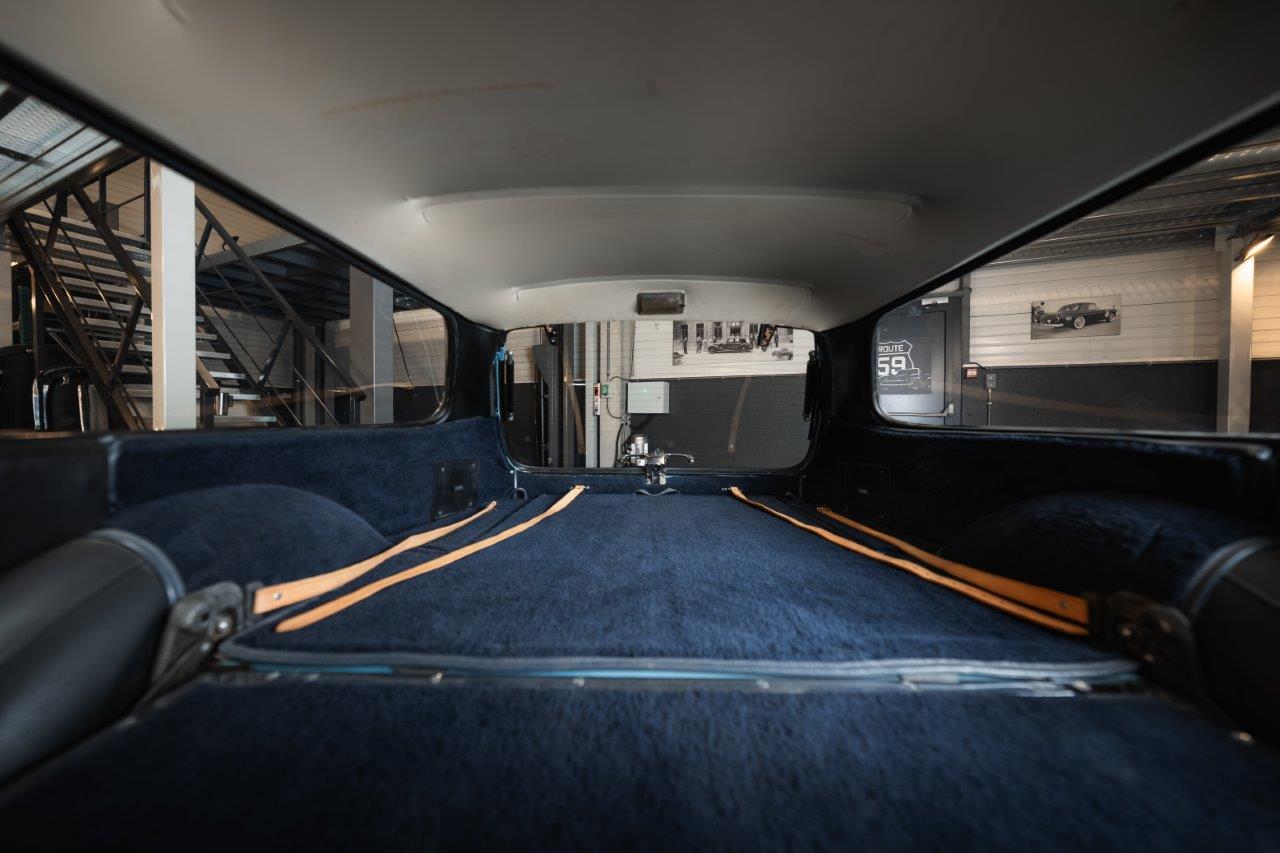
In 1971, the final evolution of the model was introduced: the 1800 ES, a distinctive shooting brake interpretation. Volvo’s in-house designer Jan Wilsgaard created a completely redesigned rear section, featuring an extended roofline and a striking full glass tailgate, which became the model’s signature feature and earned it the German nickname “Schneewittchensarg” (“Snow White’s coffin”). This design significantly increased luggage capacity while preserving the elegance of the coupé, making the ES one of the earliest European “sport wagons.”
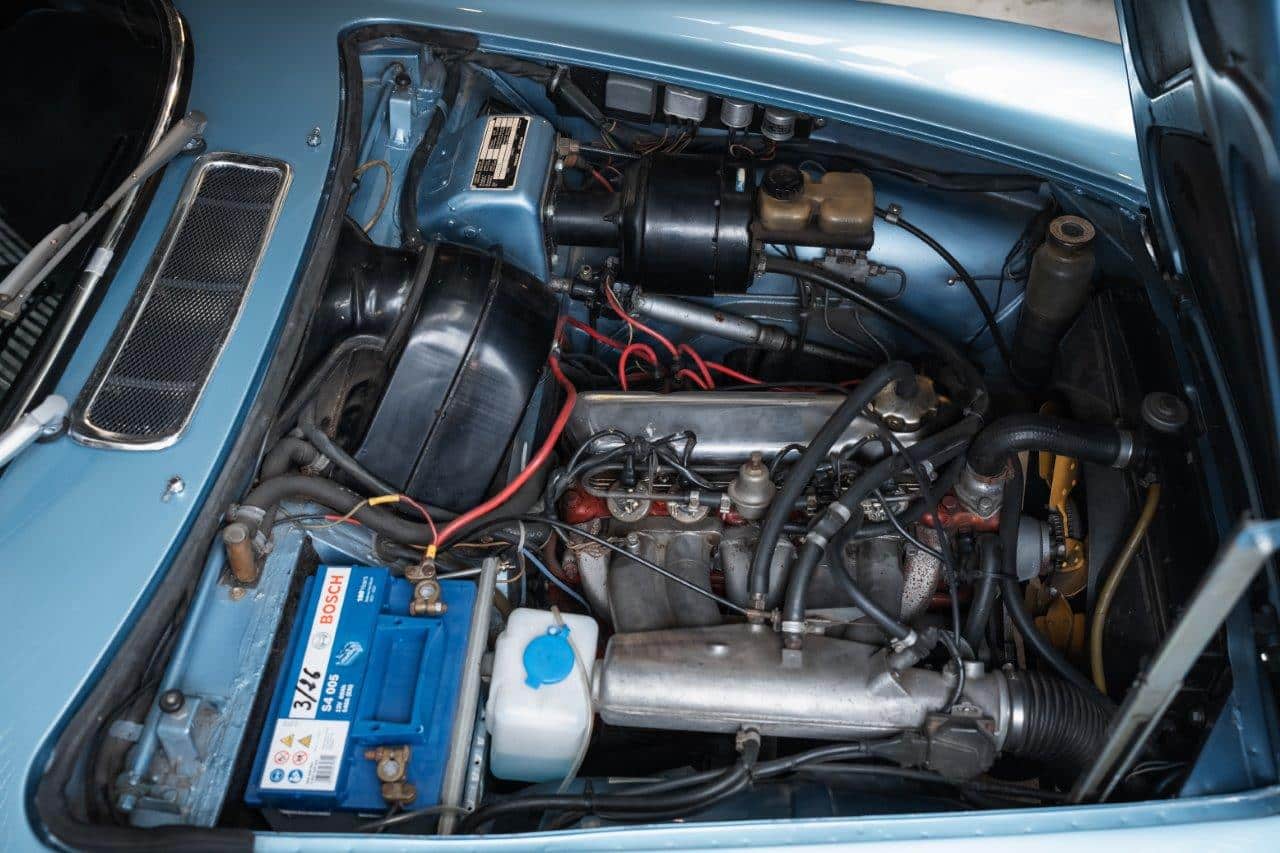
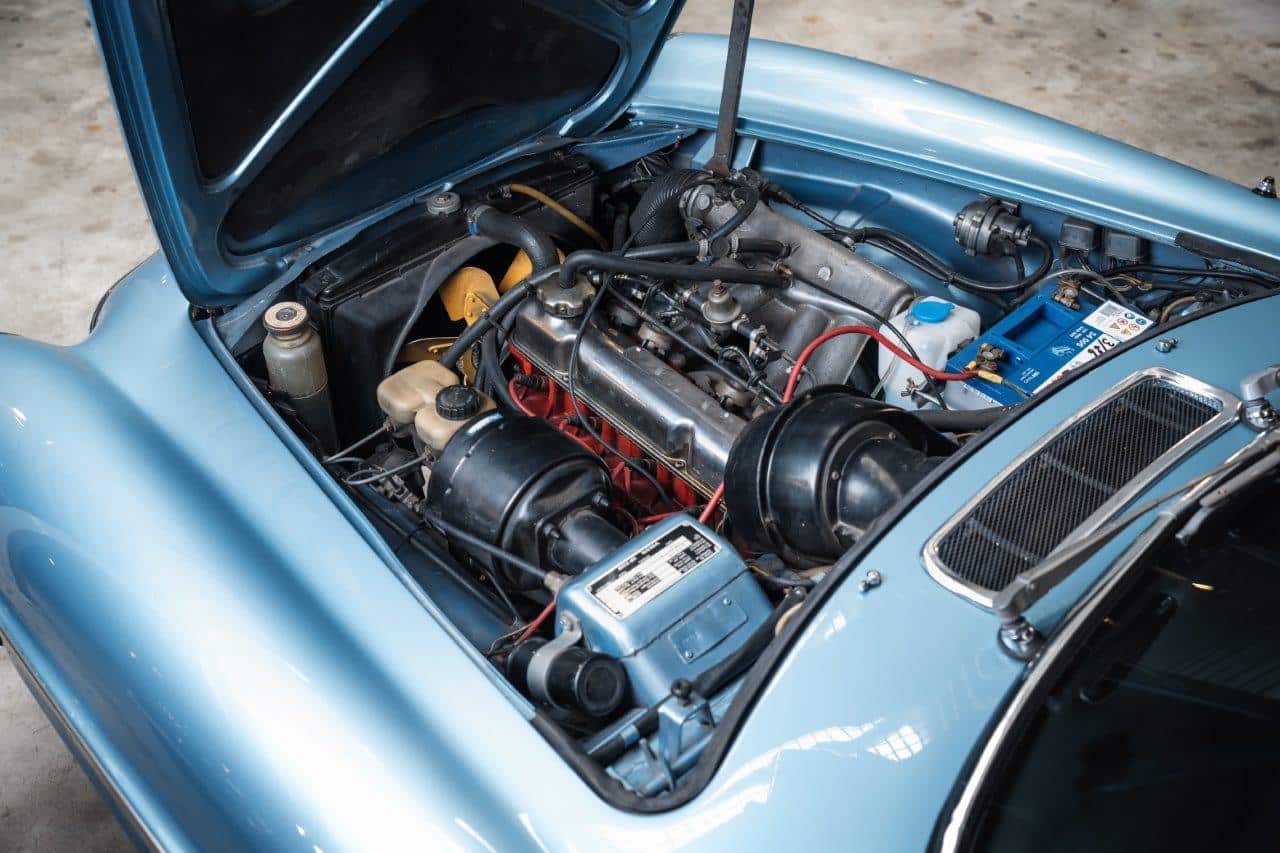
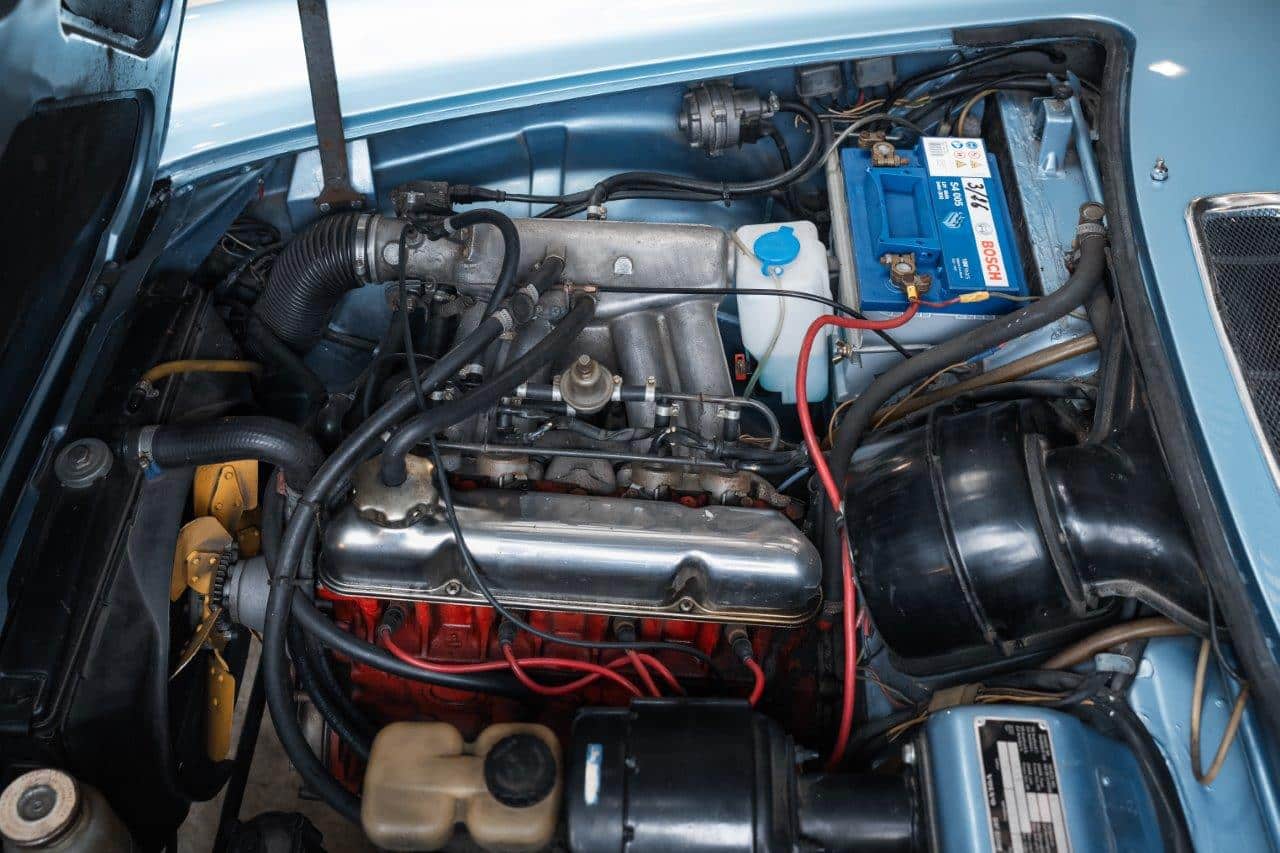
Under the bonnet, European versions were fitted with the B20E engine equipped with Bosch D-Jetronic injection. This 1986 cc four-cylinder produces approximately 124 bhp DIN at 6,000 rpm and 173 Nm of torque at 3,500 rpm, allowing for a top speed close to 190 km/h (118 mph). The car features a traditional layout with a front longitudinal engine and rear-wheel drive, paired with a four-speed manual gearbox with Laycock de Normanville overdrive (or, more rarely, a Borg-Warner automatic). Suspension consists of double wishbones at the front and a live rear axle located by four trailing arms and a Panhard rod, while braking is handled by four disc brakes.
Production of the 1800 ES remained limited, with just over 8,000 examples built between 1971 and 1973. The model’s discontinuation was largely due to new American safety regulations, which would have required substantial redesign. Despite its short production run, the P1800 ES is now regarded as one of the most desirable classic Volvos, appreciated for both its unique design and its well-known mechanical robustness.
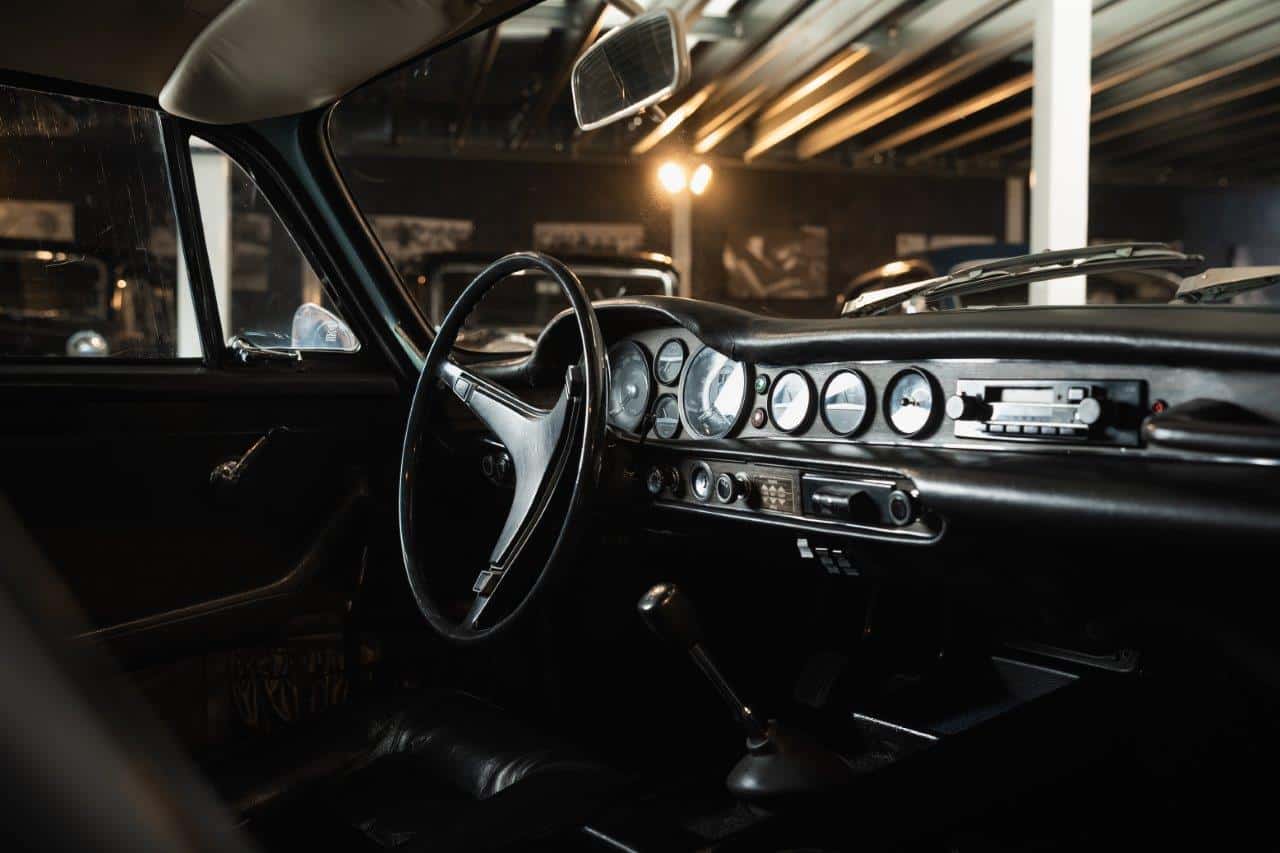
This particular example was built in 1973 in Sweden, at Volvo’s Göteborg plant. It was subsequently distributed through the Volvo Belgium network (Ghent), as confirmed by its specific identification plate, before being delivered to Luxembourg in 1976. Returned to Belgium in 2018, the car has covered just 92,000 km and presents today in outstanding condition, both mechanically and cosmetically.